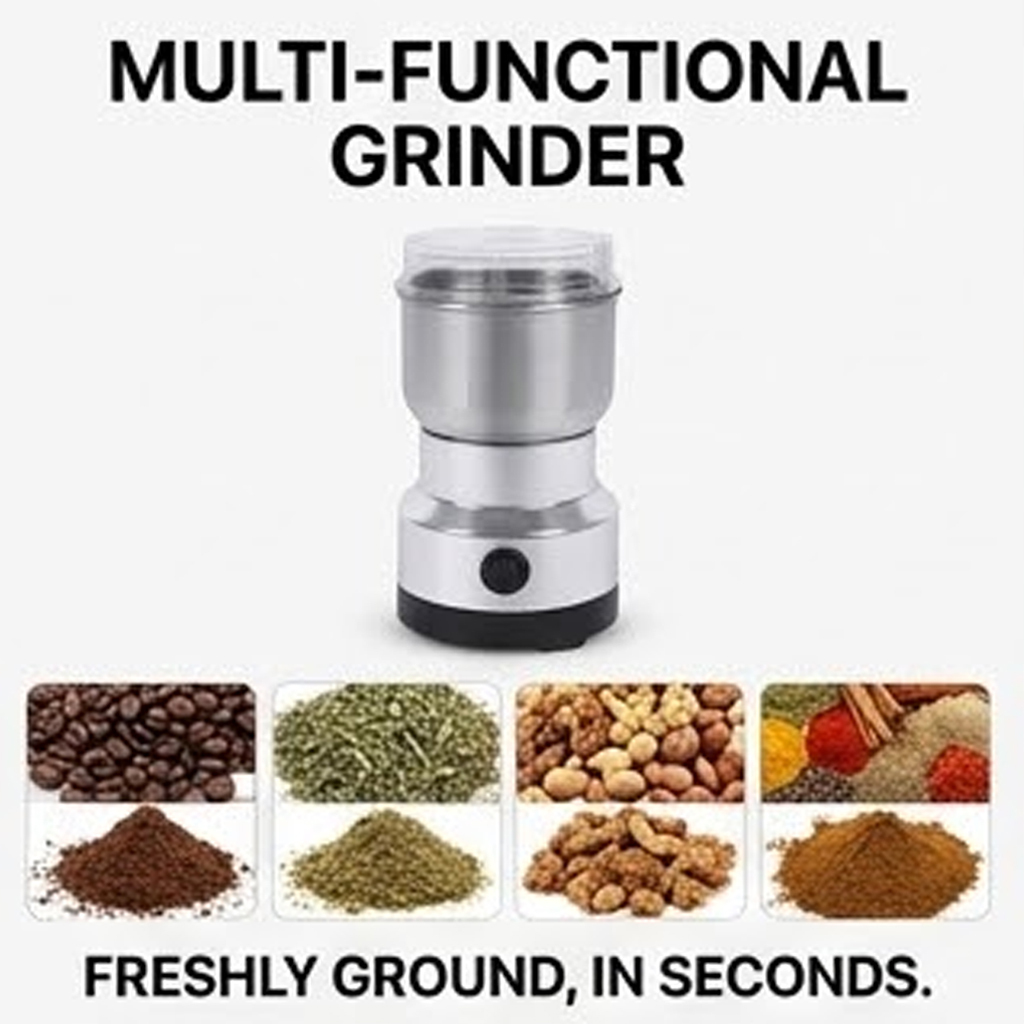







High-Speed Stainless Steel Grain Grinder
$59.99 USD
$119.99 USD
Save $60.00 USD
Quantity

7 Reasons Smart Home Cooks Are Ditching Store-Bought Spices & Flours for Good in 2026
Here's something nobody in the food industry wants you to know: That “premium organic turmeric powder” sitting in your pantry was probably ground 6 to 18 months ago. By the time you use it, the volatile healing oils have already evaporated. Same story with store-bought flour, garlic powder, cumin, and flaxseed meal. You've been paying premium health-food prices for nutritionally dead ingredients. The good news? There is a simple fix that takes less than 15 seconds: grind your own fresh spices, grains, seeds, and flours right before you use them.
1. Your Store-Bought Spices & Flours Are Nutritionally “Dead” Before You Even Open the Jar
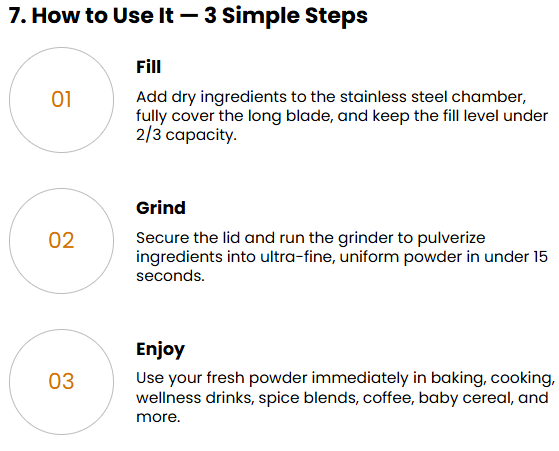
The moment a whole grain, seed, or spice is ground, delicate compounds are exposed to oxygen, heat, and light. Essential oils vanish, vitamins degrade, and healthy fats can turn rancid. Grinding your own ingredients right before use helps preserve flavor, aroma, and nutrition. The High-Speed Grain Grinder does it in under 15 seconds.

2. Your Regular Blender Was Never Built for This — and It's Quietly Burning Out
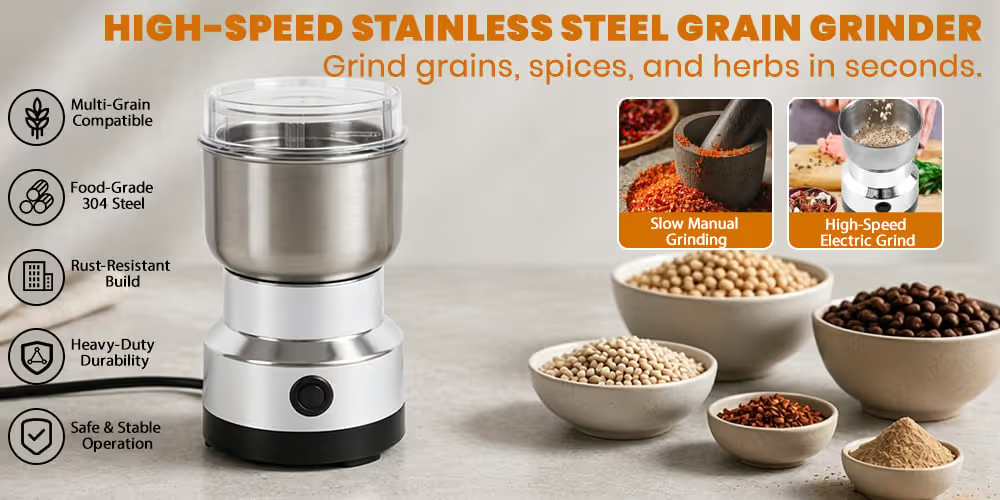
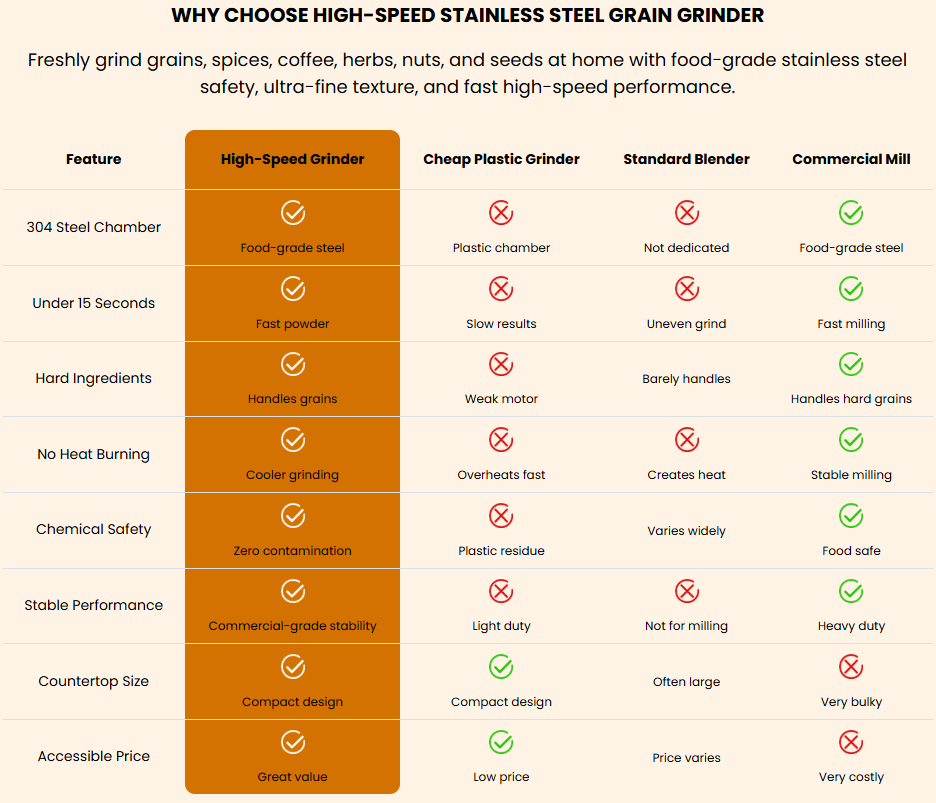
Standard blenders and cheap coffee grinders often struggle with wheat berries, dried ginger, hard grains, and dense beans. They can overheat, create friction heat, and even burn out. This grinder uses a heavy-duty high-speed dual-blade system inside a heat-dissipating 304 stainless steel chamber, helping turn tough ingredients into fine powder quickly and efficiently.
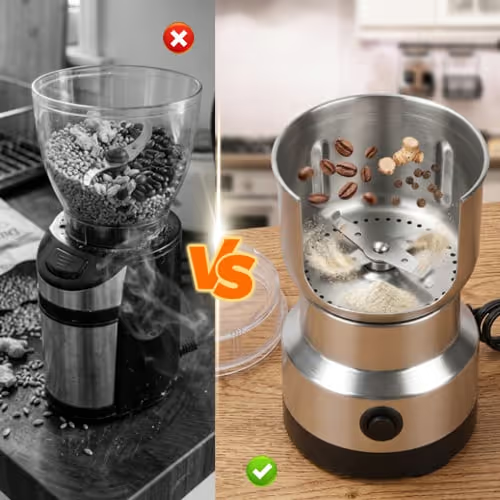
3. One Grinder, 12+ Ingredients — From Coffee Beans to Baby Cereal
This compact appliance can handle grains like wheat, rice, corn, barley, mung beans, and soybeans; coffee beans; spices and herbs like turmeric, ginger, black pepper, cinnamon, and cumin; plus nuts and seeds such as sesame, peanuts, walnuts, and flaxseed. It replaces multiple single-purpose gadgets and supports baking, cooking, wellness drinks, spice blends, and more.
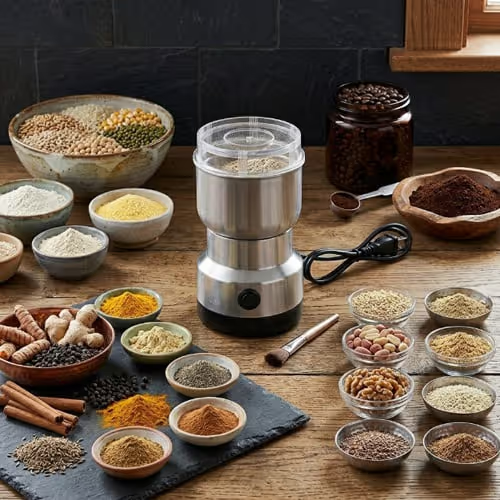
4. 304 Food-Grade Stainless Steel: Zero Contamination, Zero Compromise
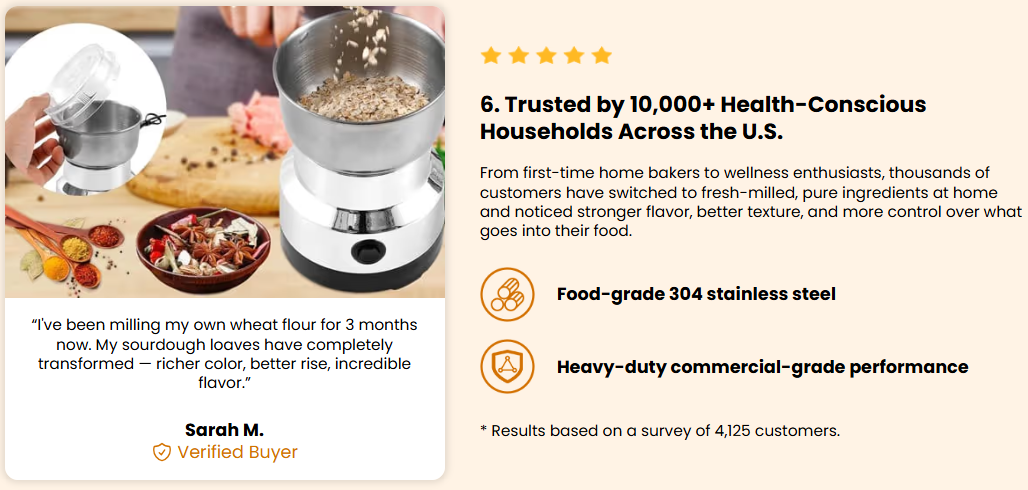
Cheap plastic grinders can leave odors, residue, and unwanted contact with food. Low-quality metal can rust or contaminate ingredients. The grinder chamber is made from certified food-grade 304 stainless steel, a durable and chemically stable material commonly used in food processing equipment.
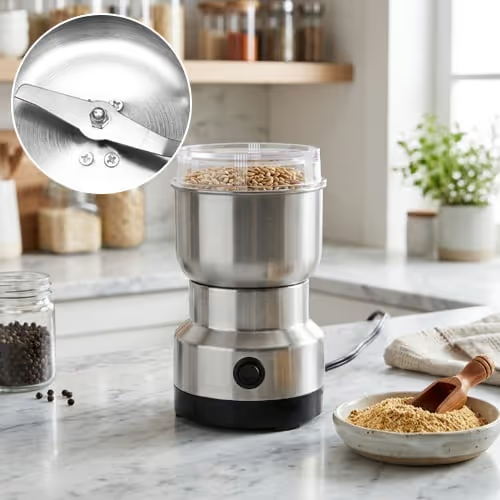
5. Stop Paying the “Health Food Tax” — Save Hundreds Per Year
Pre-ground turmeric, oat flour, chickpea flour, and spice blends often cost far more than whole ingredients. Much of the price comes from processing, packaging, and shelf markup. By buying whole ingredients in bulk and grinding them fresh at home, users can reduce recurring pantry costs while getting better flavor and freshness.
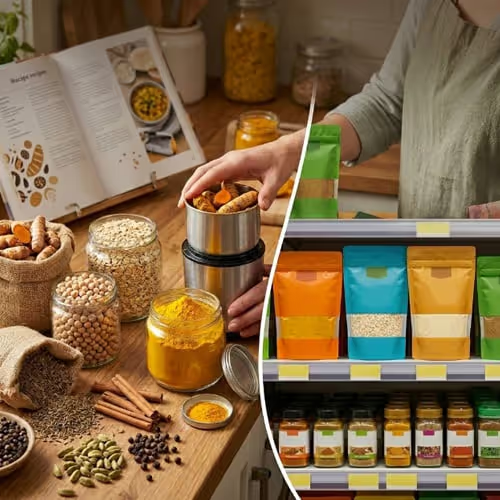


Turn whole grains, spices, herbs, coffee beans, nuts, and seeds into fresh ultra-fine powder at home, while saving money and avoiding stale, oxidized ingredients.